
EU and UK to Cut Red Tape for Spanish Exporters
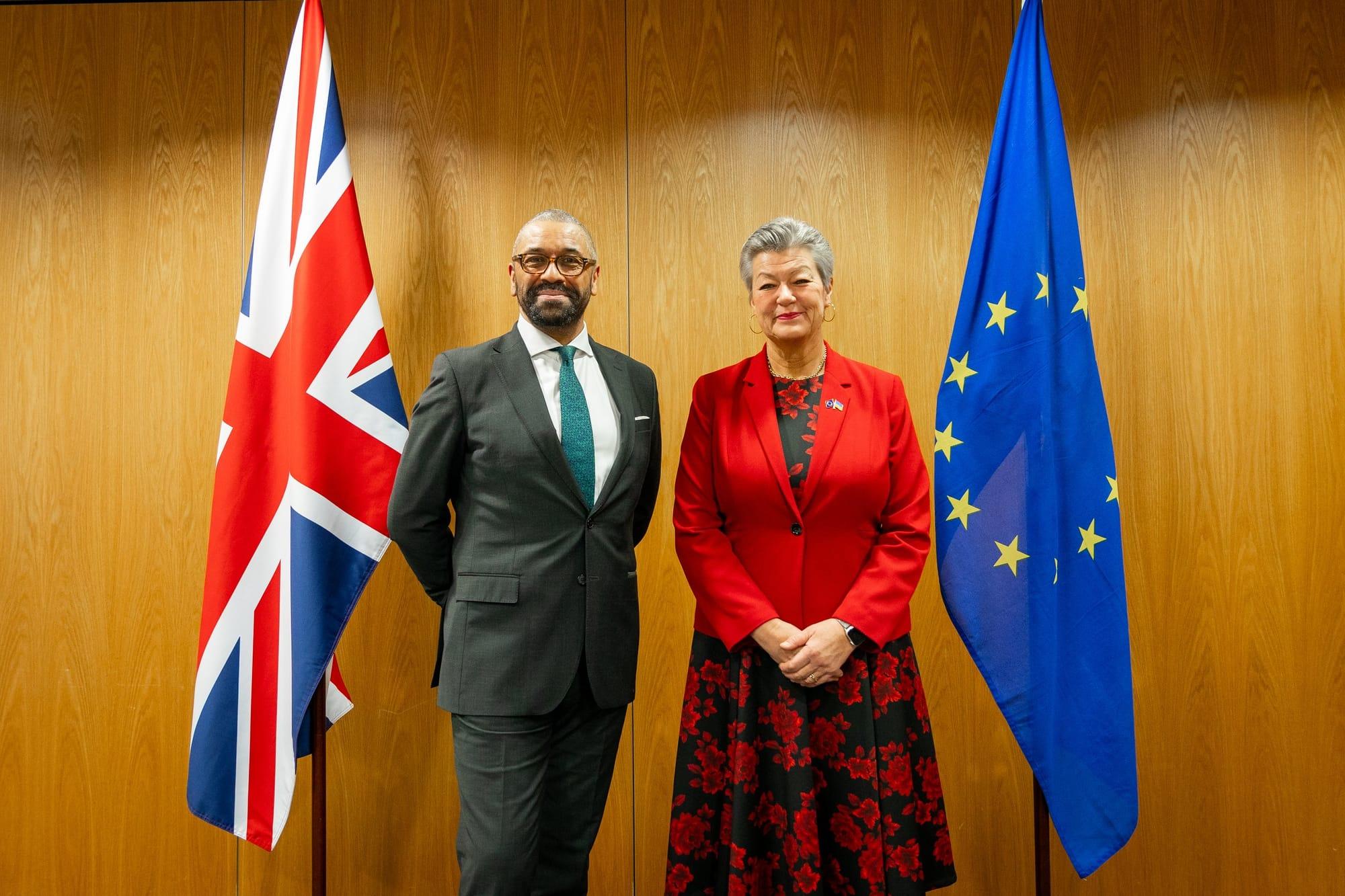
First reported by autonomosyemprendedor.es
New Sanitary and Phytosanitary Agreement in Negotiation
The European Union and the United Kingdom are negotiating a draft sanitary and phytosanitary (SPS) agreement that could significantly reduce administrative burdens for Spanish self-employed entrepreneurs and small businesses exporting agro-food products to the UK. The proposed framework would eliminate mandatory export health certificates, phytosanitary certificates, and reduce inspections, sampling costs, and certain port fees, according to a report published by Diario AyE on 5th November 2026. The changes target key obstacles that have increased costs and logistical complexity since Brexit, particularly for perishable goods. For Spanish exporters such as wineries, olive oil producers, meat processors, and fresh produce suppliers, the reduction in paperwork and delays at borders could improve profit margins and market access.
Cost Savings Could Boost SME Competitiveness
While exact savings for Spanish exporters have not been quantified, UK government data cited in the report shows that export health certificates can cost up to £200, phytosanitary inspections from £127.60, and organic certification around £35 per shipment. Some laboratory analyses exceed £1,000 per consignment. For small-scale exporters, these recurring costs significantly erode margins. According to ICEX Spain Export and Investment data, Spanish goods exports to the UK reached nearly €25 billion in 2025, a 24% increase since the 2016 Brexit referendum. Spain had 46,230 regular exporters in 2025, up 10.4% from five years earlier, indicating growing export engagement despite post-Brexit hurdles.
For small businesses with limited resources, reducing administrative costs means they can compete more fairly in the UK market.
The draft agreement would particularly benefit those shipping time-sensitive products, where delays due to inspections and documentation checks have led to spoilage and lost sales.
Logistics Sector and Youth Mobility Also in Scope
Transport and logistics operators handling agri-food exports could also see operational improvements, with faster border clearance and simpler planning. However, standard customs declarations and other trade requirements will remain in place. In parallel, discussions include a proposed youth mobility scheme to allow temporary work, study, or residence for young people between the EU and UK. While age limits, quotas, and access conditions are still under negotiation, the initiative could support talent exchange in tech startups and professional services.
Timeline and Conditions for Implementation
The UK government expects the SPS agreement to enter into force by mid-2027, pending final negotiations and approval procedures. A key condition is that the UK maintains dynamic alignment with evolving EU standards in food safety, animal and plant health, and organic production. Until then, Spanish SMEs and self-employed exporters must continue navigating current requirements. Businesses can access guidance and support through the Ministry of Industry and Trade and ICEX Spain Export and Investment.
Primary sources: comercio.gob.es, MINECO. Reported by autonomosyemprendedor.es, Diario AyE.
Related on Bizcelona Business Desk
- Catalonia to cut red tape for health centres